


















Drive Revenue. Fast.

With the #1 Revenue AI Engine for GTM Planning, Forecasting, and Commissions Management.

Pipeline Overview › Patterns
$1.7M↑1.44x61

PIPELINE / Q4 FY26

Systemic Pipeline Patterns

Recurring trends affecting multiple deals.

Champion dependency +20
$1.1M ACV

Most pervasive risk across the group — affects 60 of 61 deals worth $1,097,684. Every win relies on a single internal advocate.

Economic buyer access +19
$1.1M ACV

Critical risk in 57 of 61 deals worth $1,097,684 — champions identified but Fullcast lacks direct relationships with decision-makers.

Suggestions

A curated set of coaching themes we see most across the entire deal cycle.

COACHING THEMES

Multi-threading and stakeholder expansion
MID CYCLE

Insufficient stakeholder coverage shows in 60 of 61 deals — most rely on a single champion through the entire cycle.

Deal cadence and momentum management
EARLY

17 deals show extended interaction gaps or inconsistent call cadence that derail forward momentum.

Deals 63

All active deals across your pipeline.

SearchFiltersSort
AccountHealth
▸AAlbertsons Companies LLC 7 dealsalbertsons.com
▸AAmpléo Group 2 dealsampleo.com

Companies 74

Customer accounts and their active deals.

SearchFilters
▸AAffiniPay LLC 4 dealsaffinipay.com
▸AAlbertsons Companies LLC 7 dealsalbertsons.com

Trusted by revenue teams at

  • Gong
  • Rubrik
  • Stanley Black & Decker
  • Stagwell
  • Crowe
  • Wizz
  • TechTarget
  • Woodruff Sawyer
  • Asurion
  • Urban Outfitters
  • Lenovo
  • Thermo Fisher Scientific
  • JPMorgan Chase
  • TCS
About Fullcast

Who we are

We provide software and services for CROs and their sales teams to help them navigate AI transformation and achieve predictable, sustainable growth.

Our products include territory and quota management, commissions management, conversational intelligence, deal intelligence, and forecasting.

Our services include Revenue Insights as a Service, Managed Services, and AI transformation services.

Together, we enable CROs and their teams to build pipeline faster, achieve quotas, improve win rates, and realize ROI with AI transformation.

One engine, from plan to pay

The AI Revenue Platform for Revenue Leaders.

Get an ROI from Day One.

  • +15% attainmentBalanced dynamic territories
  • +10% conversionRight lead to the right rep
  • ±5–10% accuracyAI pipeline validation
  • 22% → 0% disputesReal-time recalculations
Fullcast Plan screen

Automated Go-to-Market Planning & Routing

Design your entire go-to-market plan in one place — and execute it the moment it's approved.

  • Scenario modeling
  • Capacity & coverage planning
  • Quota & target setting
  • Territory carving & balancing
  • Real-time lead routing

Automated & balanced territories, day 1

Carve & Route

Fullcast Revenue Intelligence screen

Enhanced Revenue Intelligence & Forecasting

AI reads live pipeline signals and validates the number — so the forecast reflects reality, not rep optimism.

  • Deal intelligence
  • Next best action
  • Rep coaching
  • Stakeholder mapping
  • Competitive insights

Forecasts you can take to the board

Run Your Accurate Forecast
Fullcast Pay screen

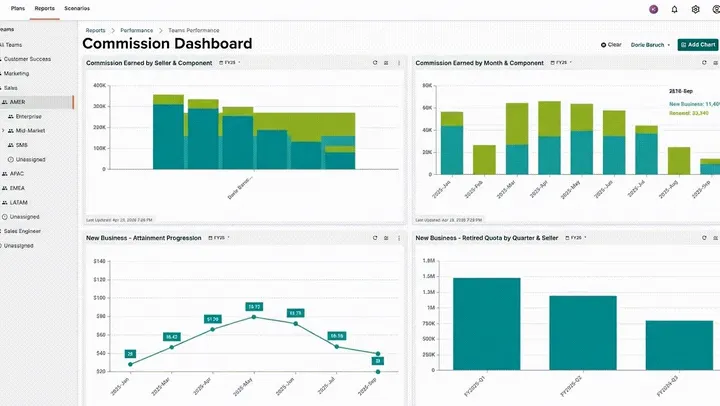
Automated Commissions Management

Commissions recalculate the moment territories, quotas, or deals change — so reps see what changed and trust every check.

  • Plan design & modeling
  • Real-time commissions calculations
  • Pace to quota
  • Splits & adjustments
  • Dispute resolution

Accurate, on-time compensation your reps trust

Calculate & Pay
Recognized across the category on G2
  • G2 High Performer: AI Sales Assistant, Small Business, EMEA
  • G2 High Performer: AI Writing Assistant, EMEA
  • G2 High Performer: Content Creation, Small Business
  • G2 Best Meets Requirements: Revenue Operations Intelligence ROI, Enterprise
  • G2 High Performer: Sales Analytics, Mid Market, Americas
  • G2 High Performer: Sales Engagement, Mid Market
  • G2 Best Support: Sales Planning, Enterprise
  • G2 Easiest To Do Business With: Sales Planning, Enterprise
  • G2 Fastest Implementation: Sales Planning, Mid Market
  • G2 Most Implementable: Sales Planning, Mid Market
  • G2 Easiest To Do Business With: AI Writing Assistant, Small Business
  • G2 High Performer: Content Creation
  • G2 Best Estimated ROI: Lead-to-Account Matching and Routing, Mid Market
  • G2 Easiest To Do Business With: Revenue Operations Intelligence ROI, Enterprise
  • G2 High Performer: Sales Engagement, Mid Market, Americas
  • G2 Best Estimated ROI: Sales Planning, Mid Market
  • G2 Easiest Admin: Sales Planning, Mid Market
  • G2 Easiest To Do Business With: Sales Planning, Mid Market
  • G2 High Performer: Sales Planning, Small Business
Fullcast MCP

Use Fullcast with Your Favorite LLM

Powerful Insights. Easy to Use.

Click on the profiles below to see how each revenue leader can use Fullcast + AI.

ClaudeIllustrative conversation · sample data

Claude
FULLCAST CAPABILITIES

Reply to Claude…

Illustrative Fullcast MCP conversations

  1. Maya Bennett, Chief Revenue Officer, has these illustrative questions:
    1. Question: Where are our biggest forecast risks this quarter, and where should my managers lean in? Fullcast uses Revenue Intelligence: Pipeline and deal health, Forecast intelligence, Conversation insights, Relationship intelligence, Buying committees, Coaching and skill scoring, Seller next actions; Targets: Quota attainment. Claude responds: The highest-risk deals combine weak next steps with thin buying-group coverage. Managers should lean in there first, using target pressure to rank the teams where those coaching gaps put the quarter most at risk. No records changed.
    2. Question: Which late-stage deals are slipping because next steps or buying-group coverage are weak? Fullcast uses Revenue Intelligence: Activity and conversation capture, Pipeline and deal health, Conversation insights, Relationship intelligence, Buying committees, Seller next actions. Claude responds: The deals that need attention combine fading momentum with a narrow relationship map. Focus on opportunities with an unclear next step, a missing buying role, or weakening engagement across the group. No records changed.
    3. Question: Where is sales capacity out of balance with account coverage and target pressure? Fullcast uses Territory: Territory design, Segmentation and balancing, Hierarchies, Account coverage; Targets: Capacity planning, Target and quota setting, Scenario planning, Quota attainment; Revenue Intelligence: Pipeline and deal health, Forecast intelligence. Claude responds: The clearest imbalance is where broad account coverage meets limited seller capacity and elevated target pressure. Compare those markets together before moving headcount so the change does not create a new forecast gap. No records changed.
    4. Question: What changed across coverage, forecast, targets, and payouts, and what needs my attention first? Fullcast uses Revenue Intelligence: Pipeline and deal health, Forecast intelligence; Territory: Account coverage, Effective-dated assignments; Routing: Ownership and reassignment rules; Targets: Quota attainment; Compensation: Crediting, splits, and overlays, Ledgers, adjustments, and audit history, Payout detail and explanations. Claude responds: The immediate attention points are grouped by their shared downstream effect: coverage changes that alter ownership, forecast movement that changes attainment, and crediting differences that reach the ledger. No records changed.
  2. Daniel Park, Chief Financial Officer, has these illustrative questions:
    1. Question: Using our current Q2 headcount plan as the baseline, show how the budget-adjusted hiring plan changes required carried quota, required fully ramped reps, and the capacity gap over the next three quarters. Do not modify the plan. Fullcast uses Targets: Capacity planning, Target and quota setting, Scenario planning, Ramp and quota relief, Quota attainment; Territory: Hierarchies, Effective-dated assignments. Claude responds: The budget change alters when capacity becomes productive, not just the number of seats. The comparison connects hiring and ramp timing to fully ramped reps, required carried quota, and the resulting quarterly capacity gap. No records changed.
    2. Question: Compare average rep attainment at 80% and 70%. How does that change required effective headcount, carried quota, and monthly revenue capacity? Do not modify the current scenario. Fullcast uses Targets: Capacity planning, Target and quota setting, Scenario planning, Ramp and quota relief, Quota attainment; Territory: Segmentation and balancing, Account coverage. Claude responds: At 70% attainment, the same revenue goal requires more productive capacity than at 80%. The sensitivity view holds quota and hiring assumptions constant so Finance can see the change in effective headcount, carried quota, and monthly revenue capacity. No records changed.
    3. Question: Before we finalize the quarter, where is commission expense most exposed to over-crediting, outstanding draws, undersized quotas feeding accelerators, or uncommitted ledger adjustments? Fullcast uses Compensation: Compensation plan design, Commissionable events and calculations, Crediting, splits, and overlays, Ledgers, adjustments, and audit history, Payout detail and explanations; Targets: Target and quota setting, Quota attainment. Claude responds: The exposure review separates credit inflation, unrecovered draws, attainment-driven acceleration, and uncommitted adjustments. It distinguishes calculated, committed, and paid amounts so Finance can prioritize what must be reviewed before payout. No records changed.
    4. Question: Using the same bookings and attainment assumptions, compare our current commission plan with a proposed accelerator structure. At what bookings threshold do the projected costs cross? Do not change plan configuration. Fullcast uses Compensation: Compensation plan design, Commissionable events and calculations, Crediting, splits, and overlays, Payout detail and explanations; Targets: Target and quota setting, Scenario planning, Quota attainment; Revenue Intelligence: Pipeline and deal health, Forecast intelligence. Claude responds: The comparison holds bookings and attainment constant, then isolates the cost of the proposed accelerator tiers. It identifies the crossover threshold without changing either compensation plan; plan configuration remains in the Fullcast UI. No records changed.
  3. Adrian Torres, Senior Vice President, Revenue Strategy and Operations, has these illustrative questions:
    1. Question: Nate is leaving the business on August 2. Before making changes, show me how you would end his coverage, reassign his active Enterprise accounts, and handle his targets. Which bookings may still owe commission? Wait for my confirmation before executing any coverage change. Fullcast uses Territory: Account coverage, Effective-dated assignments; Routing: CRM record routing, Territory and role matching, Ownership and reassignment rules; Targets: Capacity planning, Target and quota setting, Ramp and quota relief; Compensation: Commissionable events and calculations, Crediting, splits, and overlays, Ledgers, adjustments, and audit history, Payout detail and explanations. Claude responds: Nate’s August 2 exit connects coverage end dates, successor ownership, target treatment, and crediting on existing bookings. I organized the affected records and the exact execution steps for confirmation. Coverage writes take effect immediately once run, so nothing has changed yet.
    2. Question: Rebalance Enterprise East for two additional reps. Leave the account moves proposed, show me the before-and-after coverage and target impact, and do not commit anything. Fullcast uses Territory: Territory design, Segmentation and balancing, Hierarchies, Account coverage, Effective-dated assignments; Routing: CRM record routing, Territory and role matching, Ownership and reassignment rules; Targets: Capacity planning, Target and quota setting, Scenario planning. Claude responds: Enterprise East now has a proposed rebalance showing account movement, successor coverage, and target capacity side by side. The changes remain proposed and are not committed.
  4. Claire Whitmore, VP, Revenue Strategy and Operations - Sales & Success, has these illustrative questions:
    1. Question: Nate is leaving the business on August 2. Before making changes, show me how you would end his coverage, reassign his active Enterprise accounts, and handle his targets. Which bookings may still owe commission? Wait for my confirmation before executing any coverage change. Fullcast uses Territory: Account coverage, Effective-dated assignments; Routing: CRM record routing, Territory and role matching, Ownership and reassignment rules; Targets: Capacity planning, Target and quota setting, Ramp and quota relief; Compensation: Commissionable events and calculations, Crediting, splits, and overlays, Ledgers, adjustments, and audit history, Payout detail and explanations. Claude responds: Nate’s August 2 exit connects coverage end dates, successor ownership, target treatment, and crediting on existing bookings. I organized the affected records and the exact execution steps for confirmation. Coverage writes take effect immediately once run, so nothing has changed yet.
    2. Question: Rebalance Enterprise East for two additional reps. Leave the account moves proposed, show me the before-and-after coverage and target impact, and do not commit anything. Fullcast uses Territory: Territory design, Segmentation and balancing, Hierarchies, Account coverage, Effective-dated assignments; Routing: CRM record routing, Territory and role matching, Ownership and reassignment rules; Targets: Capacity planning, Target and quota setting, Scenario planning. Claude responds: Enterprise East now has a proposed rebalance showing account movement, successor coverage, and target capacity side by side. The changes remain proposed and are not committed.
  5. Priya Shah, Director of Commissions, has these illustrative questions:
    1. Question: Walk me through everything this rep earned on the deal, including components, rate, tier, true-ups, and what is pending versus committed. Fullcast uses Compensation: Commissionable events and calculations, Crediting, splits, and overlays, Ledgers, adjustments, and audit history, Payout detail and explanations; Targets: Quota attainment. Claude responds: The explanation separates credited components, the applicable rate and tier, later adjustments, and ledger status. Earned, committed, and paid amounts remain distinct. No records changed.
    2. Question: Before the next compensation run, which targets are missing a current owner, valid period, or usable value? Fullcast uses Targets: Target and quota setting, Ramp and quota relief, Quota attainment; Territory: Account coverage, Effective-dated assignments; Compensation: Commissionable events and calculations. Claude responds: The punch list separates missing owners, inactive coverage periods, and unusable target inputs before they feed compensation. Target creation and configuration stay in the Fullcast UI. No records changed.
    3. Question: Which transactions may duplicate quota retirement or payout because multiple roles receive full overlay credit? Fullcast uses Compensation: Commissionable events and calculations, Crediting, splits, and overlays, Ledgers, adjustments, and audit history, Payout detail and explanations; Territory: Hierarchies; Targets: Target and quota setting, Quota attainment. Claude responds: The review isolates shared transactions where more than one role receives full credit, then traces the quota and payout effect for each payee. No records changed.
    4. Question: Before running this compensation period, show me the active plan, target inputs, uncommitted transactions, and any unresolved ledger adjustments. Wait for confirmation before running or committing anything. Fullcast uses Compensation: Compensation plan design, Commissionable events and calculations, Crediting, splits, and overlays, Ledgers, adjustments, and audit history, Payout detail and explanations; Targets: Target and quota setting, Quota attainment. Claude responds: The readiness review separates plan configuration, target inputs, pending transactions, and unresolved adjustments. A ledger commit is irreversible, so nothing has been run or committed.
  6. Samir Haddad, Senior Director, Global Go-To-Market Strategy and Analytics, has these illustrative questions:
    1. Question: Nate is leaving the business on August 2. Before making changes, show me how you would end his coverage, reassign his active Enterprise accounts, and handle his targets. Which bookings may still owe commission? Wait for my confirmation before executing any coverage change. Fullcast uses Territory: Account coverage, Effective-dated assignments; Routing: CRM record routing, Territory and role matching, Ownership and reassignment rules; Targets: Capacity planning, Target and quota setting, Ramp and quota relief; Compensation: Commissionable events and calculations, Crediting, splits, and overlays, Ledgers, adjustments, and audit history, Payout detail and explanations. Claude responds: Nate’s August 2 exit connects coverage end dates, successor ownership, target treatment, and crediting on existing bookings. I organized the affected records and the exact execution steps for confirmation. Coverage writes take effect immediately once run, so nothing has changed yet.
    2. Question: Rebalance Enterprise East for two additional reps. Leave the account moves proposed, show me the before-and-after coverage and target impact, and do not commit anything. Fullcast uses Territory: Territory design, Segmentation and balancing, Hierarchies, Account coverage, Effective-dated assignments; Routing: CRM record routing, Territory and role matching, Ownership and reassignment rules; Targets: Capacity planning, Target and quota setting, Scenario planning. Claude responds: Enterprise East now has a proposed rebalance showing account movement, successor coverage, and target capacity side by side. The changes remain proposed and are not committed.
    3. Question: What is the impact of the proposed segmentation and routing-rule changes in Enterprise East? Compare current and proposed account placement and flag the largest movements. Fullcast uses Territory: Territory design, Segmentation and balancing, Hierarchies, Account coverage; Routing: CRM record routing, Territory and role matching, Ownership and reassignment rules. Claude responds: The largest movements come from accounts that change segment and then resolve to a different eligible owner. Review those records together so a territory correction does not hide a routing conflict. No records changed.
    4. Question: Which territories do not have active account-executive coverage, and which attached targets make those gaps most urgent? Fullcast uses Territory: Hierarchies, Account coverage, Effective-dated assignments; Targets: Capacity planning, Target and quota setting, Quota attainment. Claude responds: The priority gaps are uncovered territory nodes that still carry active targets. The hierarchy and effective dates show whether each gap is current, upcoming, or caused by an incomplete transition. No records changed.
  7. Marcus Reed, Sr. Revenue Operations Analyst (Data & Systems), has these illustrative questions:
    1. Question: Are our Fullcast import and export jobs healthy? Show the most recent failures and what each one points to. Fullcast uses Revenue Intelligence: CRM sync and field updates; Routing: CRM record routing, Ownership and reassignment rules. Claude responds: The health check separates recent failures by job, timestamp, and affected record flow, then points to the source configuration that needs investigation. No source data or Salesforce records changed.
    2. Question: Which opportunities have stale stage, missing next-step, or incomplete activity data that weakens the forecast? Fullcast uses Revenue Intelligence: Activity and conversation capture, CRM sync and field updates, Pipeline and deal health, Forecast intelligence, Conversation insights, Seller next actions. Claude responds: The highest-impact gaps are opportunities where stale CRM fields and missing activity context weaken the same forecast judgment. The MCP identifies the records, but source-data cleanup remains in the source system. No records changed.
    3. Question: Where do CRM ownership fields disagree with current territory coverage or routing eligibility? Fullcast uses Revenue Intelligence: CRM sync and field updates; Territory: Hierarchies, Account coverage, Effective-dated assignments; Routing: CRM record routing, Territory and role matching, Ownership and reassignment rules, Round robin, limits, and fallback. Claude responds: The mismatches are grouped by whether the CRM owner is stale, the coverage assignment is inactive, or the record no longer satisfies routing eligibility. No records changed.
    4. Question: What was proposed or changed recently, who did it, and which unusual or unexplained events need review? Fullcast uses Territory: Effective-dated assignments; Routing: Ownership and reassignment rules; Compensation: Ledgers, adjustments, and audit history. Claude responds: The review separates proposed plan changes, completed assignment actions, and ledger adjustments, then flags entries without enough explanation. Audit-log detail is limited to the history Fullcast retains. No records changed.
  8. Naomi Chen, Chief Customer Operations Officer, has these illustrative questions:
    1. Question: Which newly won accounts have the least complete sales-to-customer-success handoff, and what context is missing? Fullcast uses Revenue Intelligence: Activity and conversation capture, CRM sync and field updates, Conversation insights, Relationship intelligence, Buying committees, Seller next actions; Territory: Account coverage, Effective-dated assignments; Routing: CRM record routing, Territory and role matching, Ownership and reassignment rules, Sales-to-customer-success handoffs. Claude responds: The most vulnerable handoffs are missing a confirmed customer-success owner, buying-group context, open commitments, or a documented next step. Review those gaps before onboarding so the receiving team inherits the relationship history, not just the account record. No records changed.
    2. Question: If an account changes owners, what customer context and open commitments need to follow it? Fullcast uses Revenue Intelligence: Activity and conversation capture, CRM sync and field updates, Conversation insights, Relationship intelligence, Buying committees, Seller next actions; Territory: Account coverage, Effective-dated assignments; Routing: CRM record routing, Territory and role matching, Ownership and reassignment rules, Sales-to-customer-success handoffs. Claude responds: Carry the relationship history, buying-group roles, open commitments, and next actions with the ownership change. That gives the receiving team the context behind the account instead of a disconnected list of fields. No records changed.
    3. Question: Which account families are split across owners or territories in a way that could break customer context during handoff? Fullcast uses Territory: Hierarchies, Account coverage, Effective-dated assignments; Routing: Territory and role matching, Ownership and reassignment rules, Sales-to-customer-success handoffs; Revenue Intelligence: Relationship intelligence, Buying committees. Claude responds: The continuity risks are account families whose hierarchy, active owners, and relationship map do not align. Review those families before changing placement so customer context follows the complete relationship. No records changed.
  9. Robert Langford, Director of Revenue Tools and Technology, has these illustrative questions:
    1. Question: Are our Fullcast import and export jobs healthy? Show the most recent failures and what each one points to. Fullcast uses Revenue Intelligence: CRM sync and field updates; Routing: CRM record routing, Ownership and reassignment rules. Claude responds: The health check separates recent failures by job, timestamp, and affected record flow, then points to the source configuration that needs investigation. No source data or Salesforce records changed.
    2. Question: Which opportunities have stale stage, missing next-step, or incomplete activity data that weakens the forecast? Fullcast uses Revenue Intelligence: Activity and conversation capture, CRM sync and field updates, Pipeline and deal health, Forecast intelligence, Conversation insights, Seller next actions. Claude responds: The highest-impact gaps are opportunities where stale CRM fields and missing activity context weaken the same forecast judgment. The MCP identifies the records, but source-data cleanup remains in the source system. No records changed.
    3. Question: Where do CRM ownership fields disagree with current territory coverage or routing eligibility? Fullcast uses Revenue Intelligence: CRM sync and field updates; Territory: Hierarchies, Account coverage, Effective-dated assignments; Routing: CRM record routing, Territory and role matching, Ownership and reassignment rules, Round robin, limits, and fallback. Claude responds: The mismatches are grouped by whether the CRM owner is stale, the coverage assignment is inactive, or the record no longer satisfies routing eligibility. No records changed.
    4. Question: What was proposed or changed recently, who did it, and which unusual or unexplained events need review? Fullcast uses Territory: Effective-dated assignments; Routing: Ownership and reassignment rules; Compensation: Ledgers, adjustments, and audit history. Claude responds: The review separates proposed plan changes, completed assignment actions, and ledger adjustments, then flags entries without enough explanation. Audit-log detail is limited to the history Fullcast retains. No records changed.
  10. Vanessa Cole, Senior Director of Revenue Operations, has these illustrative questions:
    1. Question: Nate is leaving the business on August 2. Before making changes, show me how you would end his coverage, reassign his active Enterprise accounts, and handle his targets. Which bookings may still owe commission? Wait for my confirmation before executing any coverage change. Fullcast uses Territory: Account coverage, Effective-dated assignments; Routing: CRM record routing, Territory and role matching, Ownership and reassignment rules; Targets: Capacity planning, Target and quota setting, Ramp and quota relief; Compensation: Commissionable events and calculations, Crediting, splits, and overlays, Ledgers, adjustments, and audit history, Payout detail and explanations. Claude responds: Nate’s August 2 exit connects coverage end dates, successor ownership, target treatment, and crediting on existing bookings. I organized the affected records and the exact execution steps for confirmation. Coverage writes take effect immediately once run, so nothing has changed yet.
    2. Question: Rebalance Enterprise East for two additional reps. Leave the account moves proposed, show me the before-and-after coverage and target impact, and do not commit anything. Fullcast uses Territory: Territory design, Segmentation and balancing, Hierarchies, Account coverage, Effective-dated assignments; Routing: CRM record routing, Territory and role matching, Ownership and reassignment rules; Targets: Capacity planning, Target and quota setting, Scenario planning. Claude responds: Enterprise East now has a proposed rebalance showing account movement, successor coverage, and target capacity side by side. The changes remain proposed and are not committed.
    3. Question: What is the impact of the proposed segmentation and routing-rule changes in Enterprise East? Compare current and proposed account placement and flag the largest movements. Fullcast uses Territory: Territory design, Segmentation and balancing, Hierarchies, Account coverage; Routing: CRM record routing, Territory and role matching, Ownership and reassignment rules. Claude responds: The largest movements come from accounts that change segment and then resolve to a different eligible owner. Review those records together so a territory correction does not hide a routing conflict. No records changed.
    4. Question: Which territories do not have active account-executive coverage, and which attached targets make those gaps most urgent? Fullcast uses Territory: Hierarchies, Account coverage, Effective-dated assignments; Targets: Capacity planning, Target and quota setting, Quota attainment. Claude responds: The priority gaps are uncovered territory nodes that still carry active targets. The hierarchy and effective dates show whether each gap is current, upcoming, or caused by an incomplete transition. No records changed.

Illustrative examples of remote MCP clients: Claude by Anthropic, ChatGPT by OpenAI, Gemini by Google, Microsoft Copilot Studio, Agentforce by Salesforce, Glean, Cursor. Inclusion does not imply vendor certification of Fullcast.
Customer stories

How we help revenue teams scale.

Sapna Sharma
— Sapna SharmaVP of Go-to-Market Operations

GTM OPS

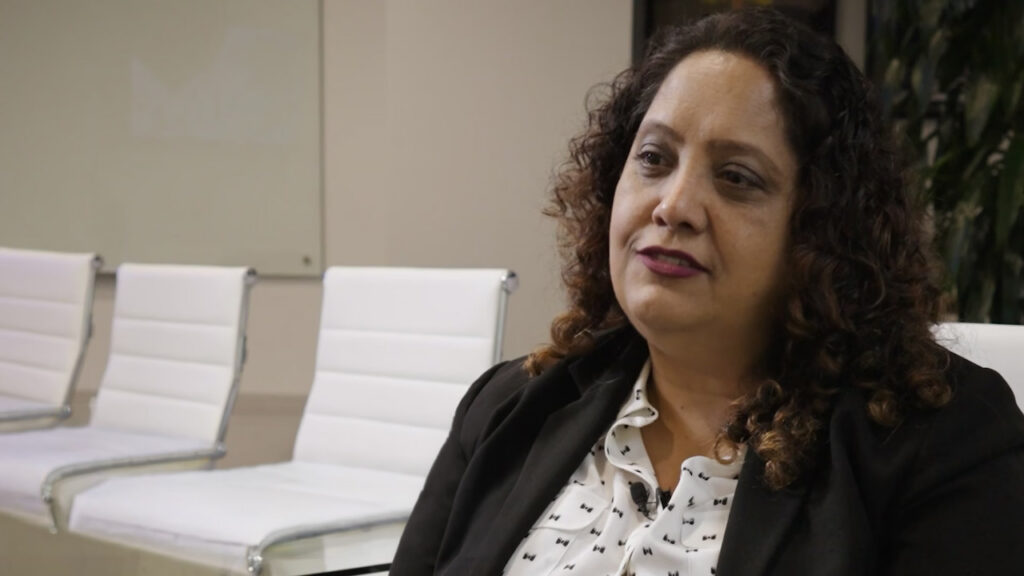
How Sapna Sharma, VP of GTM Operations, scaled up.

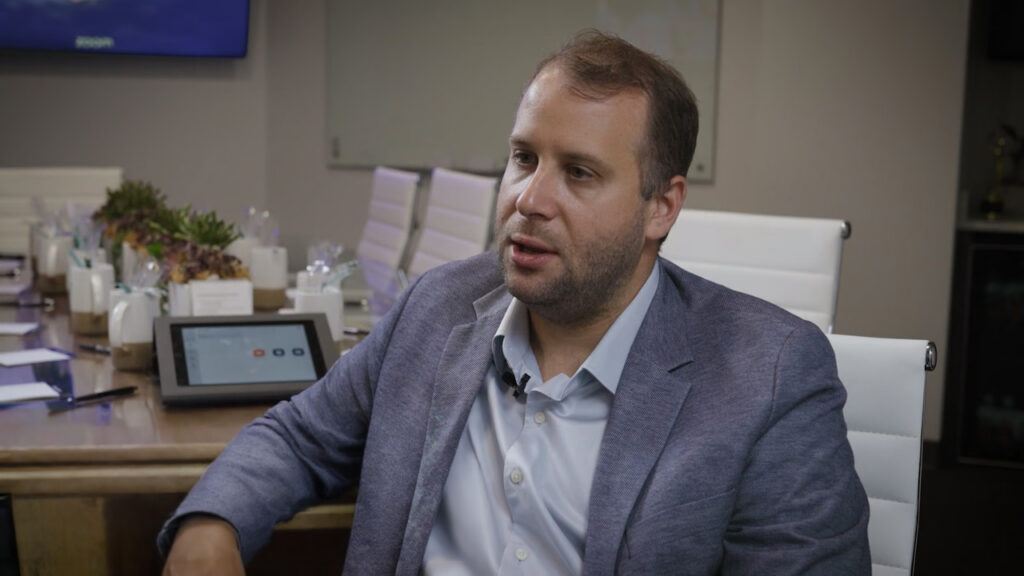
Four weeks to replace a failed tool and go live for annual planning. Chosen over three competitors for a chaotic GTM. Core planning functions unified in a single platform.

Read case study: Sapna Sharma
Jared Barol
— Jared BarolVP of GTM Strategy & Operations, Copy.ai

Copy.ai

How Jared Barol scaled through 650% growth with Fullcast.

Cheaper wasn't better, and I learned that the hard way. What mattered more than the software was how Fullcast showed up afterward — the CEO called me personally, listened, adjusted the roadmap, and shipped the changes.
Read case study: Jared Barol
Nate Kimmons
— Nate KimmonsSenior Advisor, Former CRO

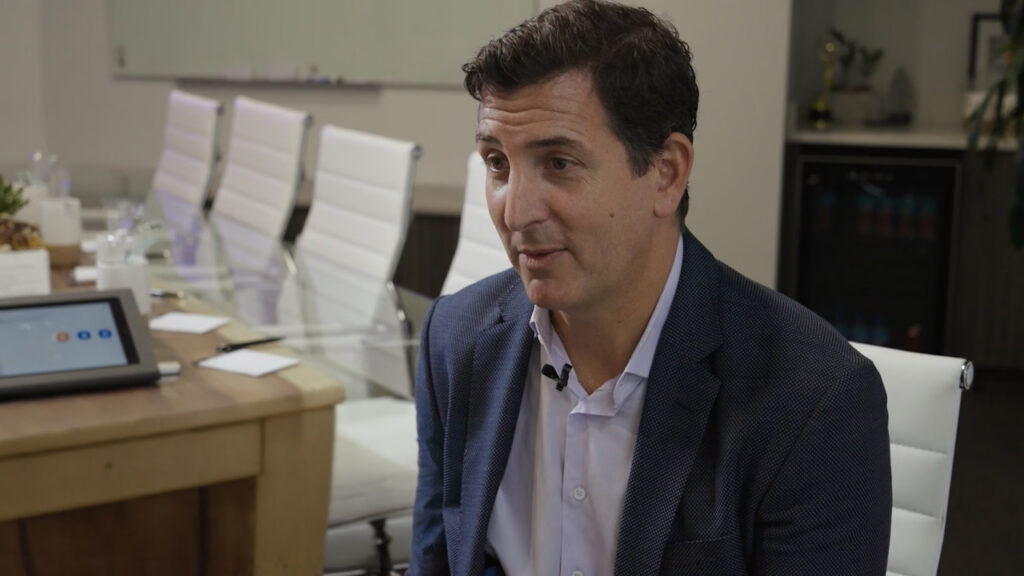
How Nate Kimmons Orchestrated a World-Class RevOps Engine

Fullcast solved the lead routing and territory management problems no one talks about until they drag down the entire sales org… What's unfolded over the last 13 months is vision and operating efficiency coming together. Impressive to watch.
Read case study: Nate Kimmons
Noah Marks
— Noah MarksSVP, Commercial Strategy & Operations

GLOBAL

How Noah Marks aligned global growth with Fullcast.

Brought clarity, structure, and alignment to a complex global motion — avoiding months of ramp time and eliminating manual territory, quota, and lead-routing recalculations.

Read case study: Noah Marks
Name the outcome. We'll deliver it.

Buy the Infrastructure. Build the Intelligence.

Get a demo
  1. 01

    On-Time, Equitable Territories. Day 1

    Give every rep a fair shot at quota before SKO even starts. Eliminate weeks of post-kickoff territory cleanup and account disputes. Turn your annual plan into selling time from the moment the year begins.

  2. 02

    Pay Reps Right. Right on Time.

    Give reps clear visibility into what they earned and why. Fewer disputes. Fewer surprises. More trust in every paycheck. Keep sellers focused on the next deal and not the last commission statement.

  3. 03

    Clean Data. Faster Revenue.

    Keep your CRM clean and current with a dedicated Data Desk and 3-hour SLA. Fix data issues before they become revenue problems. Give sellers and leaders a source of truth they can actually trust. Move at the speed of your business and not your data backlog.

  4. 04

    Right Lead. Right Rep. Right Now.

    Cut the lag between buyer interest and seller action. Eliminate routing bottlenecks and ownership confusion. Get your hottest opportunities into the right hands while they’re still hot.

  5. 05

    Answers Your CEO Can Act On.

    Turn revenue data into executive-ready insights delivered the way leadership wants them. Skip the dashboard and deliver the decision.

What revenue leaders say

Trusted by the people who own the number.

  • “Forward visibility is the holy grail — and Fullcast gives that visibility.”
    Alan MortonManaging Director, SBR Consulting
  • “When my CEO saw the improvements in hitting the forecast, he was sold.”
    David WilsonVP of Sales, In-Situ
  • “It changed the dynamic of how we managed the whole sales process.”
    Ted ElliotCEO, Copado
  • “What I really like about Fullcast is the ease of use and the simplicity of the platform.”
    Christine DorrionFormer VP Global Revenue Operations, Degreed
  • “With Fullcast, we’re trading internal meeting time for customer-facing time.”
    Clay BlanchardFormer VP Sales Operations, Sprout Social
  • “Territory management, speed-to-lead, lead routing, managed services, data desk — Fullcast has all the things you really need.”
    Noah MarksSVP, Commercial Strategy & Operations, Diligent
Enterprise ready

Built for security-conscious revenue teams.

Your GTM data — territories, quotas, pipeline, and pay — runs on an audited, compliance-first platform trusted by enterprise RevOps.

Security & compliance

SOC 2 Type II
GDPR
US Privacy Laws

Full audit history and the SOC 2 Type II report are available at trust.fullcast.com

Learn

Resources

Webinars

Webinars

Tune in to live and on-demand webinars packed with practical advice on go-to-market planning and revenue operations.

Read more: Webinars

Announcements

Announcements

Stay up to date on what's new at Fullcast, from product announcements to company news and media coverage.

Read more: Announcements

Blog

Blog

We share what we're learning about RevOps, AI, and go-to-market execution — so you can plan smarter and grow faster, without the spreadsheet headaches.

Read more: Blog

Book

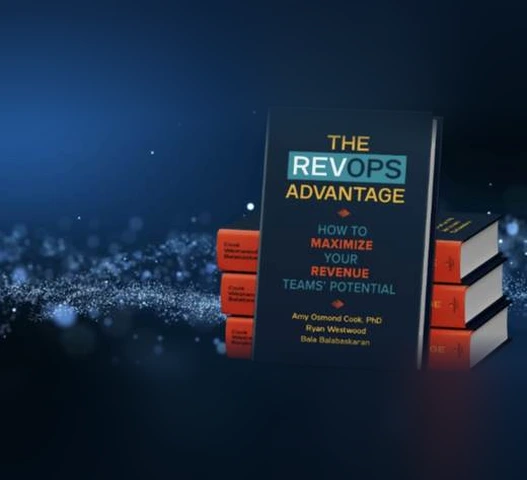
The RevOps Advantage

The book on building a RevOps function that actually drives growth — written by the team that's done it.

Read more: The RevOps Advantage

Case Studies

Case Studies

Real stories from real customers — explore how teams like yours are solving their toughest GTM challenges with Fullcast.

Read more: Case Studies

Ebooks

Ebooks

Dig into in-depth guides on go-to-market planning, territory design, quota management, and more — free to download.

Read more: Ebooks

Events

Events

Catch us at an upcoming event — find out where Fullcast will be and connect with our team in person.

Read more: Events

Podcast

Podcast

Tune in for candid conversations with RevOps and GTM leaders sharing what's working (and what's not) in revenue operations today on our Go-to-Market podcast.

Read more: Podcast
FAQ

Questions, answered.

Still curious? Talk to our team

What does "Plan to Pay" actually mean?

When we say that Fullcast is an end-to-end platform, from plan to pay, we mean that your entire go-to-market motion is on one system instead of numerous disconnected tools. You can set targets and design territories, route every lead to the right rep, validate the forecast against live pipeline, and pay commissions the instant anything changes. This is one continuous go-to-market motion, where territory changes flow through routing, forecast, and compensation—and deals pay out correctly the first time.

Do we have to adopt the whole platform, or can we start with one part?

Fullcast is built modularly on one engine: Fullcast Plan helps you manage territories, quotas, and routing. Fullcast Revenue Intelligence helps you forecast and understand deal signals. Fullcast Pay helps you manage your sales team’s commissions. Each product can be used alone or in combination with others. Most teams begin with their most painful stage, then expand. Because the data lives on one platform, changes flow between products automatically.

We already have tools for planning, forecasting, and comp. What makes Fullcast different?

Fullcast is the leader in revenue orchestration–the engine that connects revenue stages and enables continuous GTM operations. Planning suites stop at the plan. Compensation tools start at the closed deal. Forecasting is done separately. A mid-year territory or quota change gets re-entered in three places, and rarely in all of them. Fullcast runs the entire GTM: one change, one definition, audited end to end.

What makes Fullcast’s AI different from the AI features bolted onto every other tool?

Two things. First, MCP is the action layer across the platform, so your team — or the AI assistants they already use — can pull an answer or make a change in plain language instead of queuing a request with ops. Second, the agents in Revenue Intelligence read live deal signals and flag where the number is at risk, rather than asking reps how they feel about the quarter. These aren’t generalist chatbots pointed at your CRM — they’re purpose-built specialists from a team that has spent years in agentic orchestration and revenue operations, carrying the context of how territories, quotas, and pipeline actually behave. They run on frontier models and your governed plan data, so every action is traceable and audited.

What does working with Fullcast look like for my team?

You set the direction. Some teams buy the Fullcast platform and run it themselves. Others add managed services, including our data desk, to take the repetitive work off their plate. Still others choose Agentic Revenue Operations, where our platform, RevOps practitioners, and AI engineers utilize Platform, Services, and Frontier models.

Can Fullcast be customized for our revenue team’s needs?

Absolutely. Every company’s go-to-market team is a little bit different, and we have built Fullcast to adapt. We start with planning, routing, forecasting, and compensation on one engine. Then, for any edge cases or specific custom requests, our RevOps practitioners and AI engineers create purpose-built agents on top of the platform.

How long does implementation take?

Teams routinely go live in around four weeks, including replacing an existing tool ahead of annual planning. Fullcast is recognized on G2 for fastest implementation and for being easiest to do business with.

Does Fullcast work with our CRM and AI models?

Fullcast integrates with Salesforce, ServiceNow and connects seamlessly with frontier models like OpenAI, Gemini, and Claude. A dedicated data desk keeps your CRM a clean, real-time source of truth under a strict 3-hour SLA.

Get started

See your plan-to-pay loop in action.

Bring your territory map, quota model, or comp plan — we'll show you what it looks like running in one system.